Plan without appeal
Imagine a leadership meeting where the strategy is crystal clear, the measures precise and the goals set. Still, the atmosphere in the room is low, the employees nod without much commitment — and implementation is lacking. What is missing?
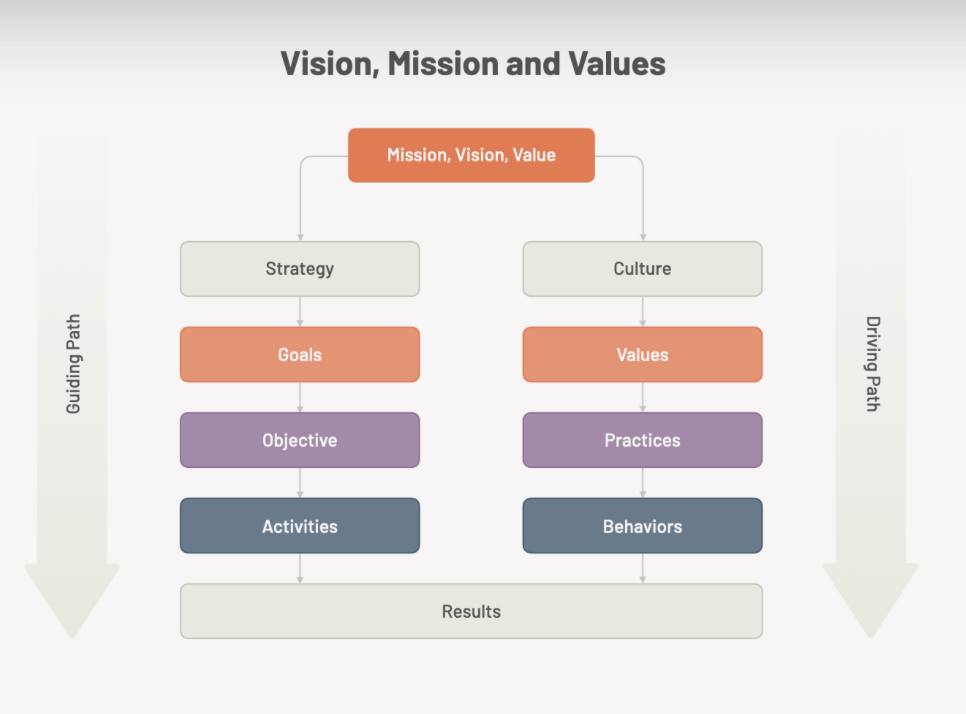
Most organizations talk a lot about goals, strategies and initiatives. This is what we call “The Guiding Path” -- the rational, planned path where leaders set direction, make plans, and follow up on progress. Here it is about structure, systematics and clear communication about where we are going and how we are going to get there.
But there is another dimension that is at least as important -- “The Driving Path.” This is about values, culture and the psychological climate. Herein lies the emotional engine: What motivates us? What values guide priorities? What culture makes people want to reach out for each other and for common goals?
Why Both Ways Are Crucial
“The Guiding Path” provides clear goals and direction. Without this, the effort becomes fragmented and haphazard. But focusing only on the rational and measurable can lead people to do what they have to — and no more. Results are created, but rarely enthusiasm or perseverance in the face of adversity.
“The Driving Path,” on the other hand, provides energy and motivation. Values and culture set the tone for how people collaborate, take responsibility and contribute new ideas. It builds community, trust and a willingness to stand out — even when processes require extra effort.
What do managers need to do to succeed on both dimensions?
1. Create direction and clarity
Dare to be clear about goals and strategies. Make sure everyone understands what is to be achieved -- and why it matters.
2. Build a Value-Based Culture
Communicate values and allow them to be reflected in daily actions. Make cultural work a managerial responsibility, not just an HR issue.
3. Balancing the Rational
Be as concerned with how people feel, and how they work together, as with numbers and sub-goals. Recognize effort, listen to emotions, and be present in everyday life.
4. Put words to the impetus
Help employees see the meaning behind their efforts — not only in terms of results, but also in value creation for colleagues and society.
5. Lead by example
Demonstrate commitment, integrity and curiosity. Show that both guiding and driving paths are real priorities in your everyday life.
Summarized
Leadership is about connecting the “what” and “how” of the business -- the Guiding Path -- with the “why” and “for whom” -- the Driving Path. The best leaders unlock the potential of the team by creating both direction and meaning. This is how strategies are implemented, and culture creates results.
References
- Edgar H. Schein: Organizational Culture and Leadership
- Bernard M. Bass & Ronald E. Riggio: Transformational Leadership
- Amy C. Edmondson: The Fearless Organization — Creating Psychological Safety in the Workplace for Learning, Innovation, and Growth